


THIS Institute needs this information to contact you about our activities. You may unsubscribe from these communications at any time. For information, please review our privacy policy
Embedding equity, diversity, and inclusion in our communications

Yoon Kim
Communications and Engagement Coordinator
2 January 2026
From intention to action
We knew that embedding equity, diversity and inclusion into our communications required more than good intentions. We needed a clear plan and practical tools.
We started by listening. Through desk research and conversations with colleagues and collaborators, we identified where we could make the biggest difference. An independent audit gave us an honest assessment of what we were already doing well and the gaps we needed to address.
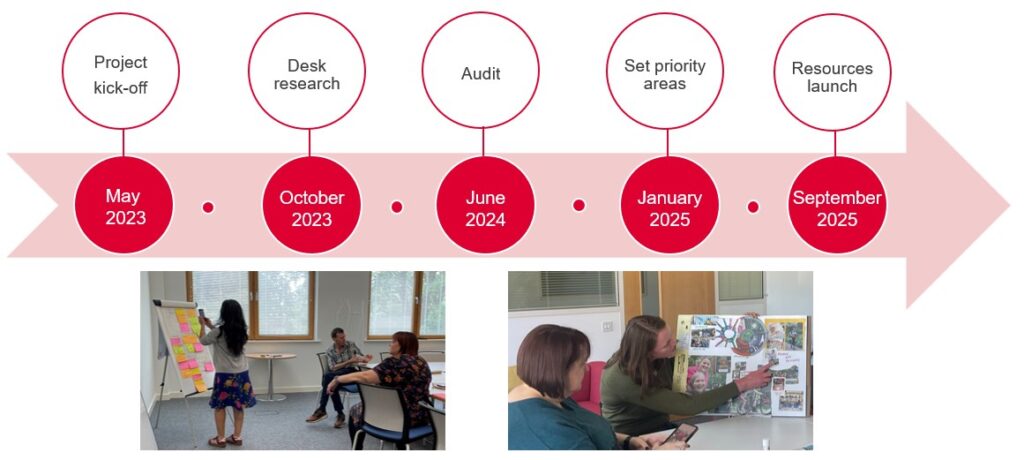
We agreed several focus areas – inclusive communications audit, accessibility, inclusive language and imagery, and clarity around the use of the words equality and equity – and developed a theory of change to guide the work. From there, we developed a suite of practical resources, including guidance on inclusive language and imagery, accessible event management practices, and tools such as a digital colour contrast grid.
Learning together
A key part of the project was creating an environment where people felt able to ask questions, share uncertainties and learn from mistakes. This took time and trust, but open conversations helped reinforce the idea that inclusive communication is a shared responsibility and an ongoing process.
Recognition and impact
In late 2025, the project was shortlisted for three different awards. Sushma Sangyam received a University of Cambridge School of Clinical Medicine Inclusive Leader Award for her role in the work.
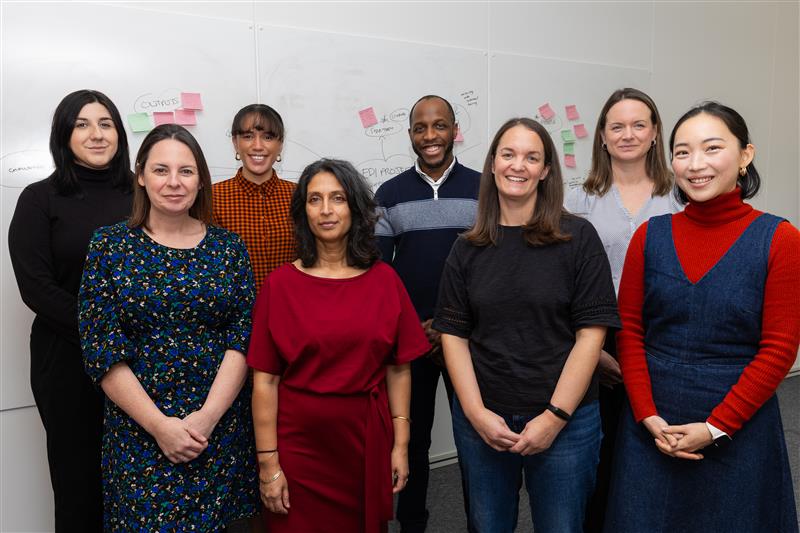
While it is great to see the work recognised by others, the standout is what we’ve learned along the way. By focusing on practical tools, shared learning and openness, this work continues to reinforce EDI as a core institute value – shaping not only what we communicate, but how we work together.
Top tips from our project
- Set clear boundaries. Being clear about the scope helped us stay focused, and allowed us to deliver practical resources and support changes in practice.
- Start small and build confidence. There was understandable anxiety about getting things wrong. Beginning with achievable steps helped strengthen knowledge and confidence.
- Create an open learning culture. Making space for people to learn from each other’s diverse perspectives was vital. Working closely as a team, and learning from internal and external colleagues and collaborators, broadened our understanding and helped us reflect those perspectives in our communications.