
From ideas to impact: marking a decade of our fellowship programme


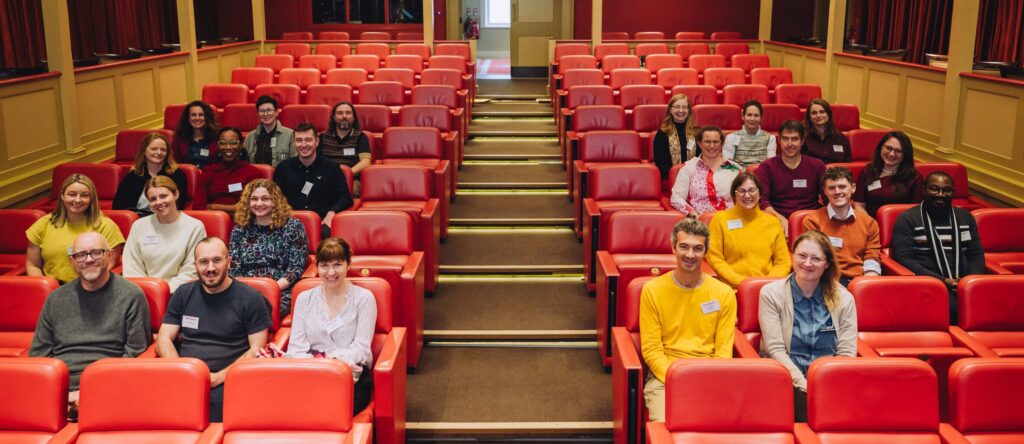
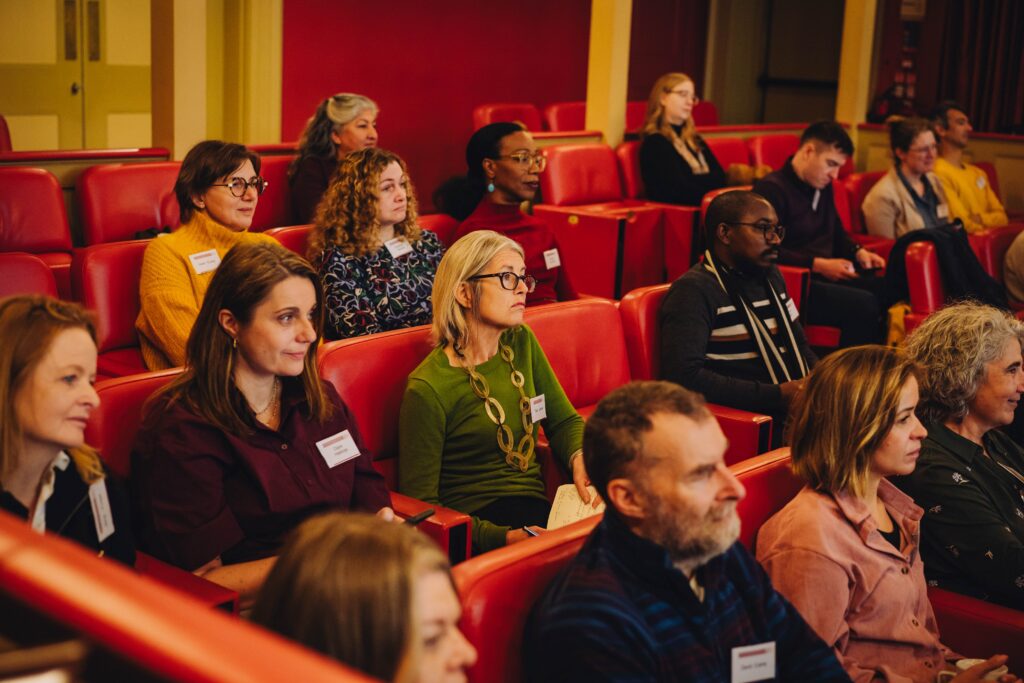
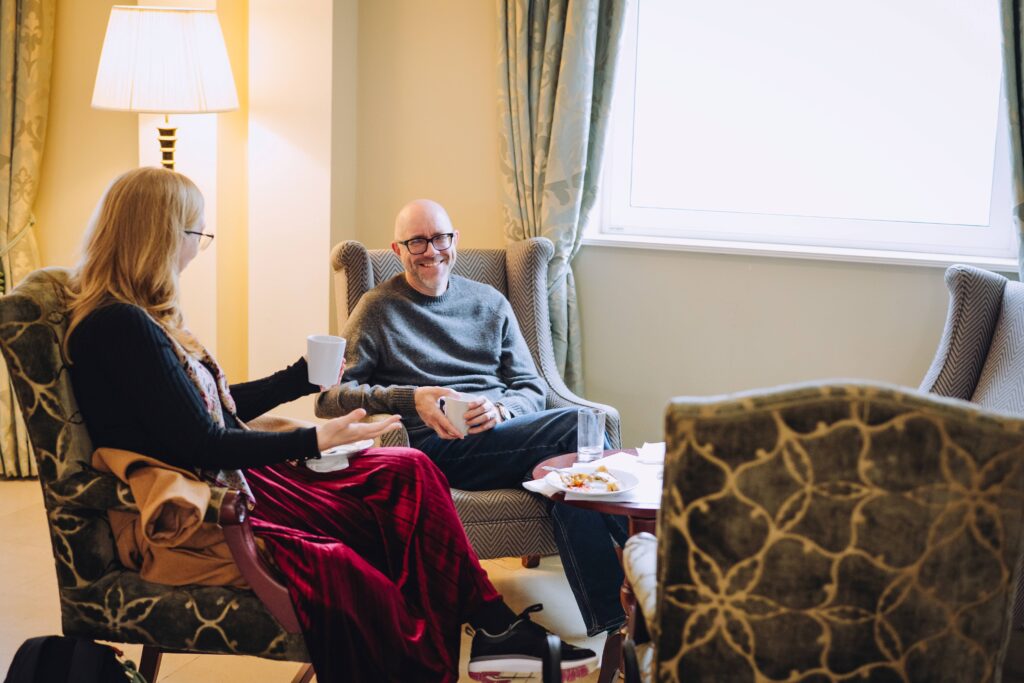
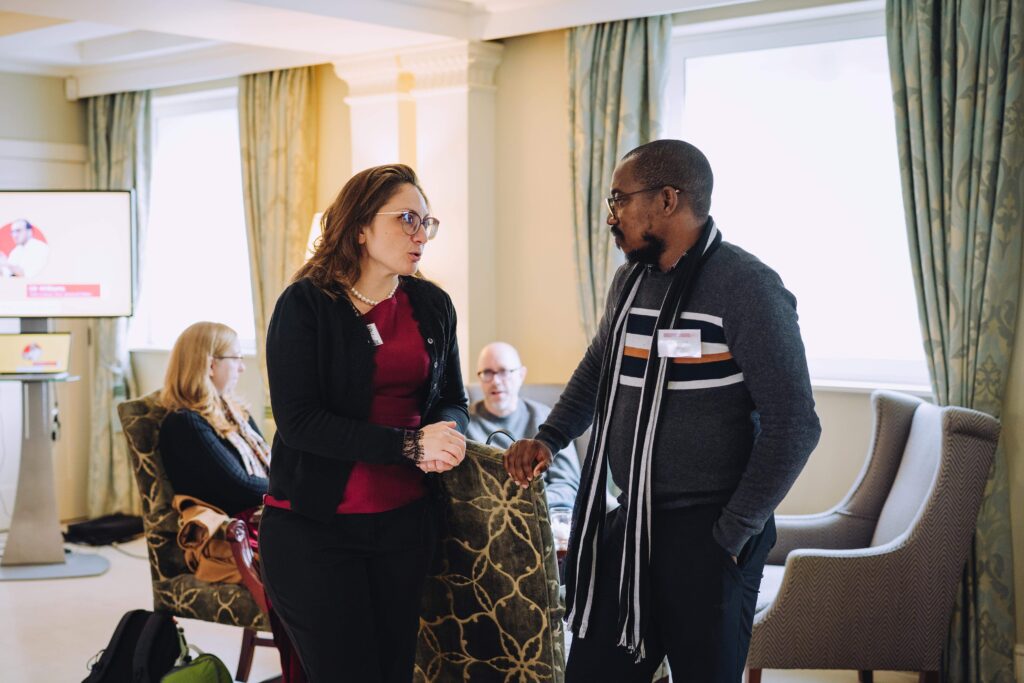
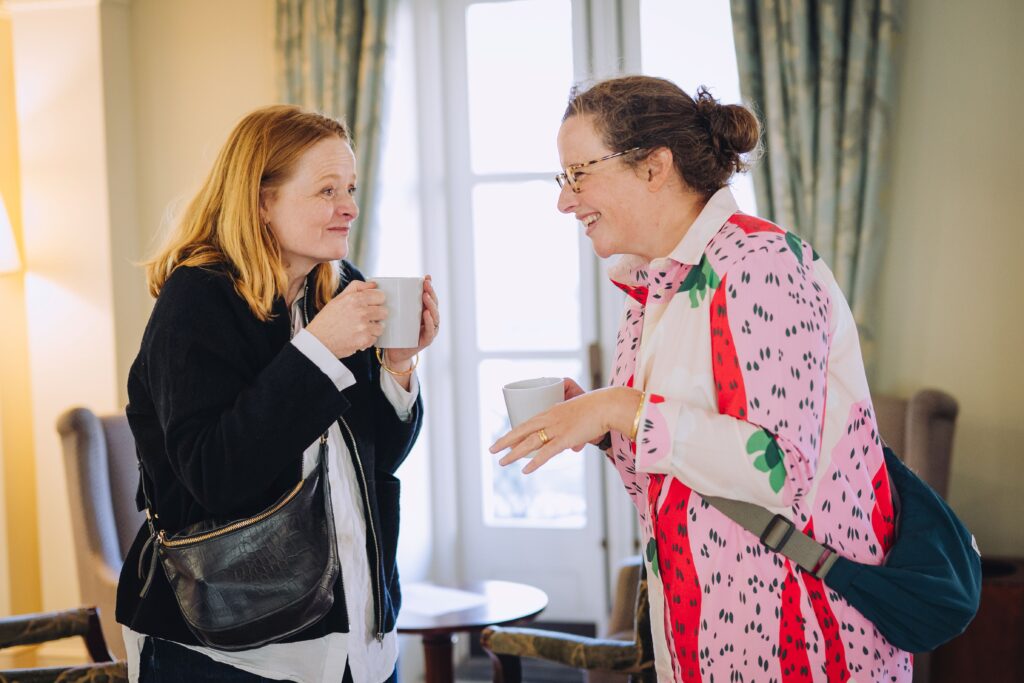
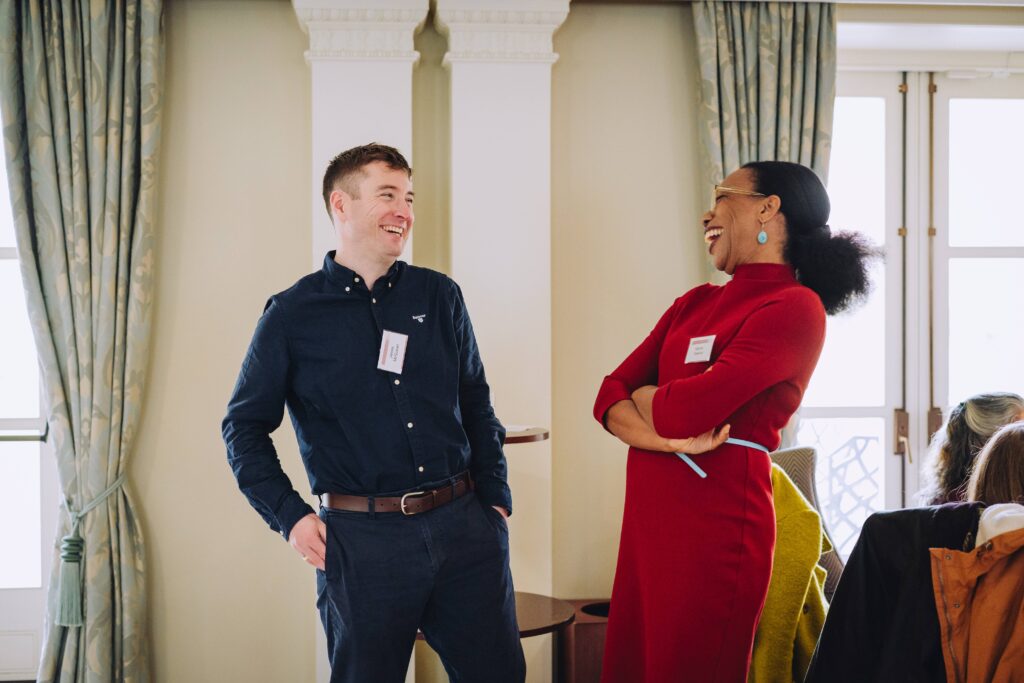
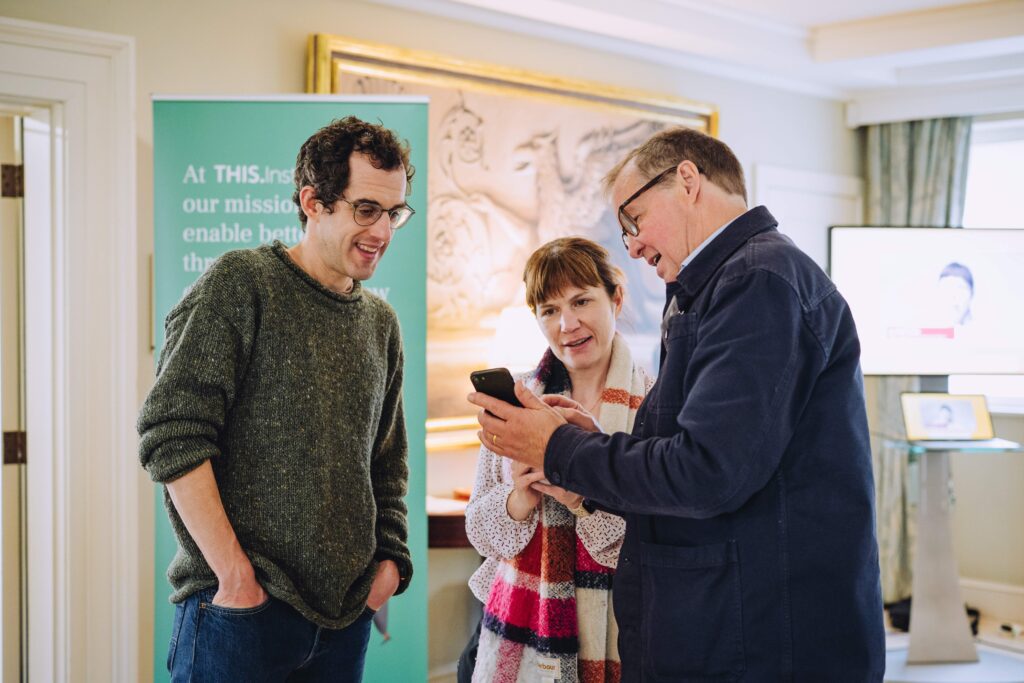
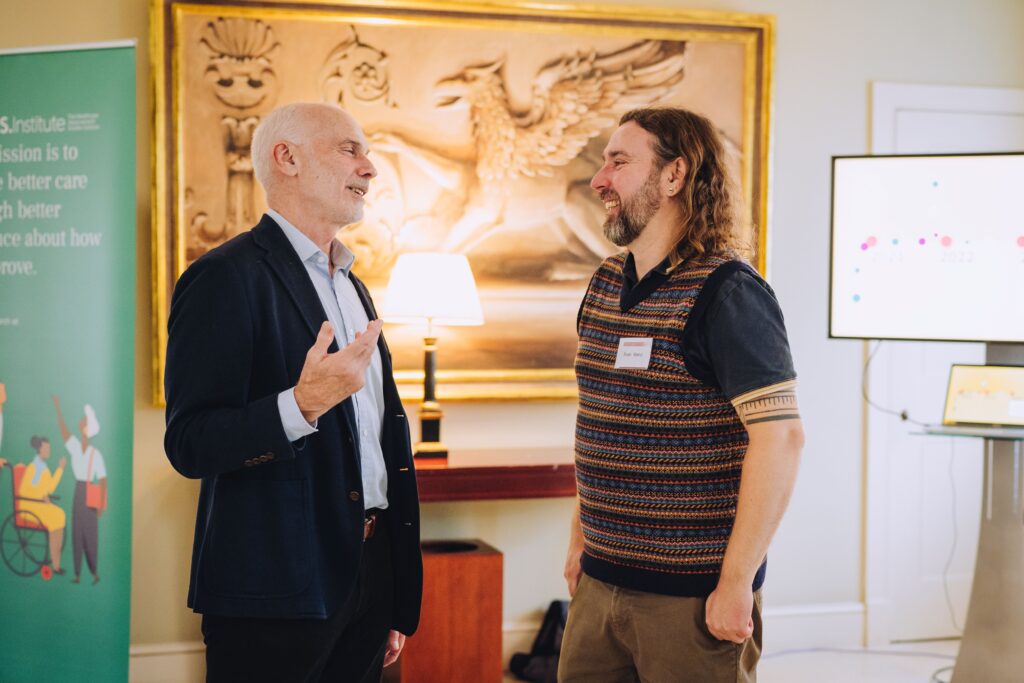
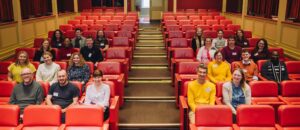
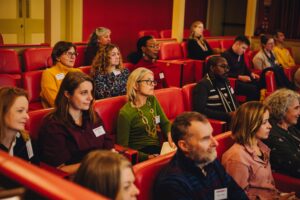
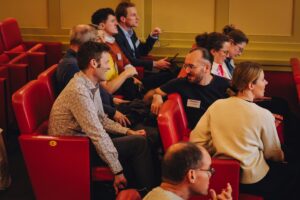
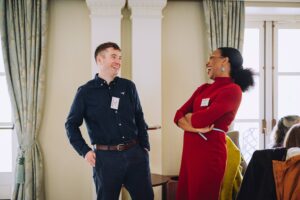
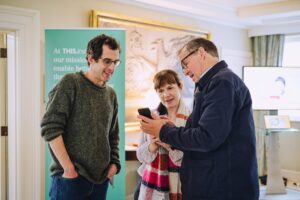
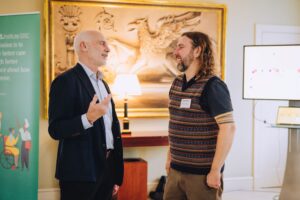
Co-authored with former Senior Advisor to the Programme, Tara Lamont, our Strategic Operations Lead at THIS Institute. Rachael Comeau reflects on the joyful event held on 22 October 2026 in Cambridge, which saw fellows past and present – along with their supervisors and mentors – come together to mark the achievements and learning from over fifty research fellows.
Building on the Health Foundation’s previous improvement science programmes, our unique fellowship programme helped grow capacity and capability in healthcare improvement research across the UK. It intentionally brought together individuals from diverse academic disciplines to generate the high-quality research and evidence required to help improve healthcare. The programme provided fellows with the opportunity to join a supportive community of improvement researchers and strengthen their research leadership skills. Fellows’ projects focused on varied challenges in healthcare improvement – from the use of AI to help doctors order blood tests more efficiently to understanding the rituals which bond interprofessional teams.
A day to acknowledge and celebrate a decade of work
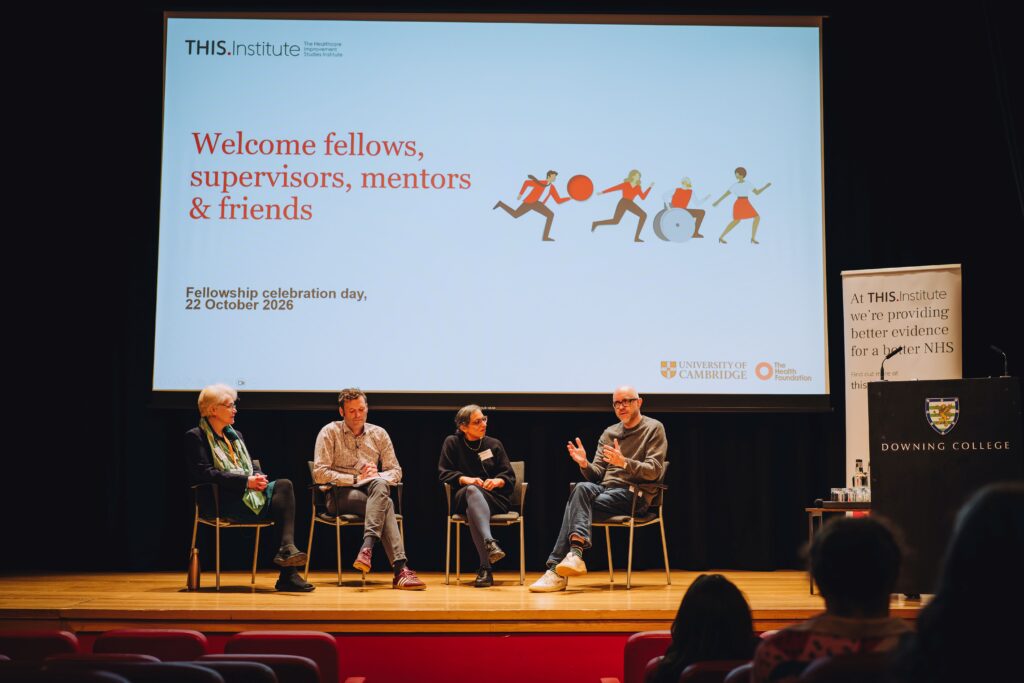
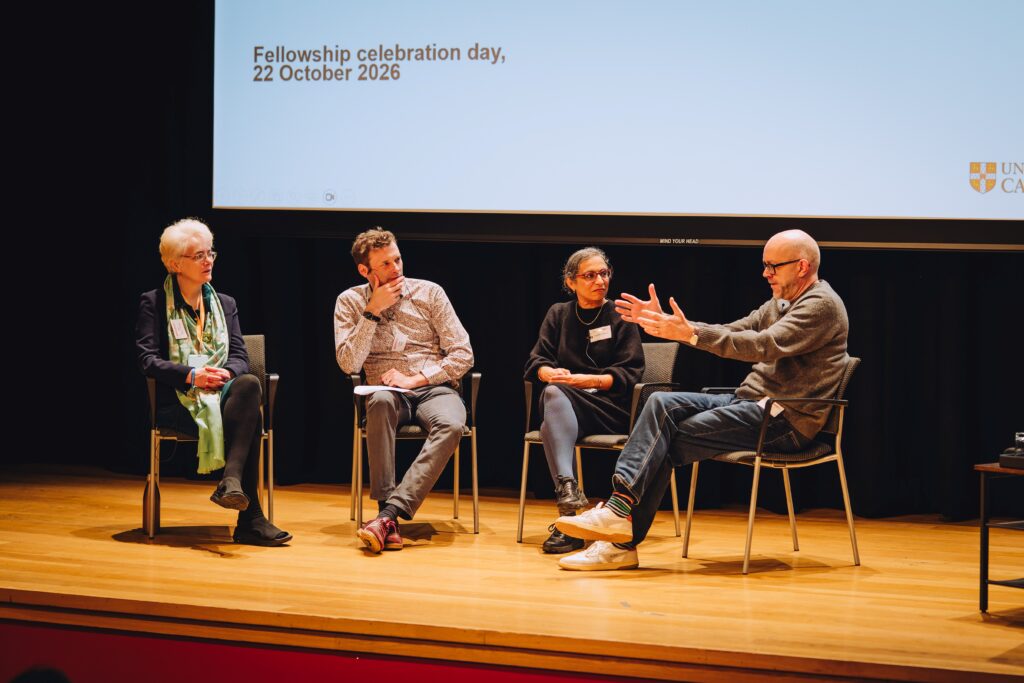
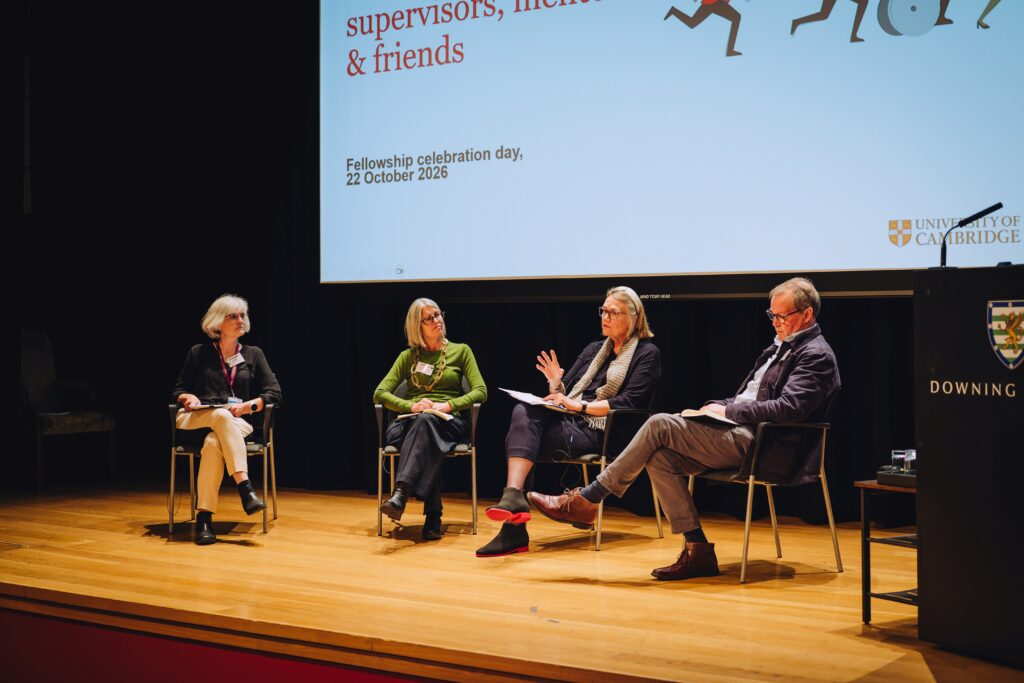
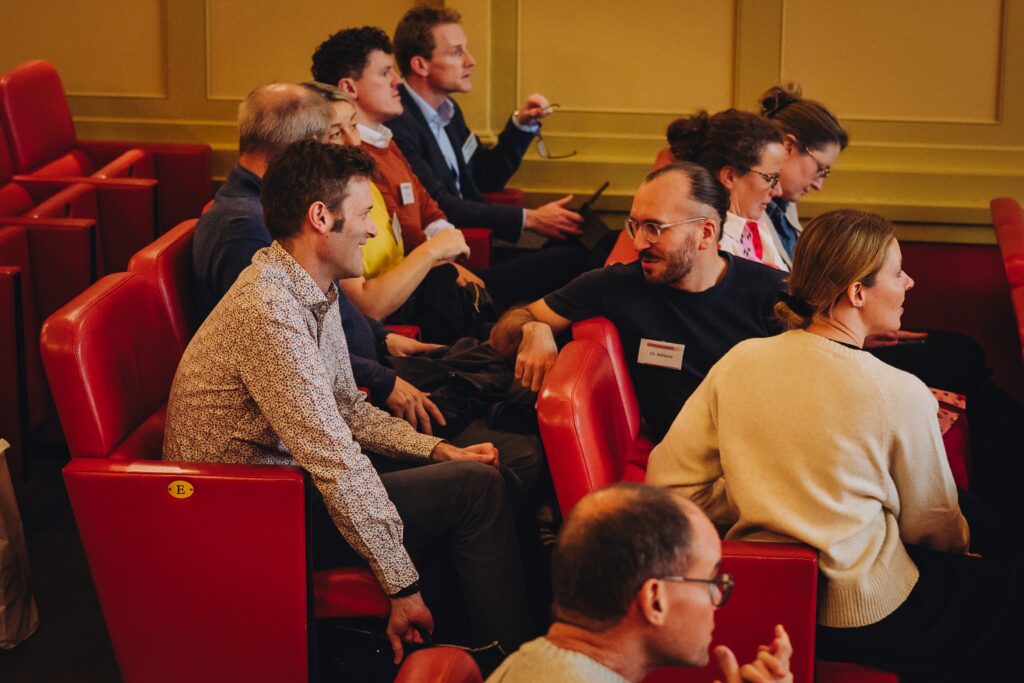
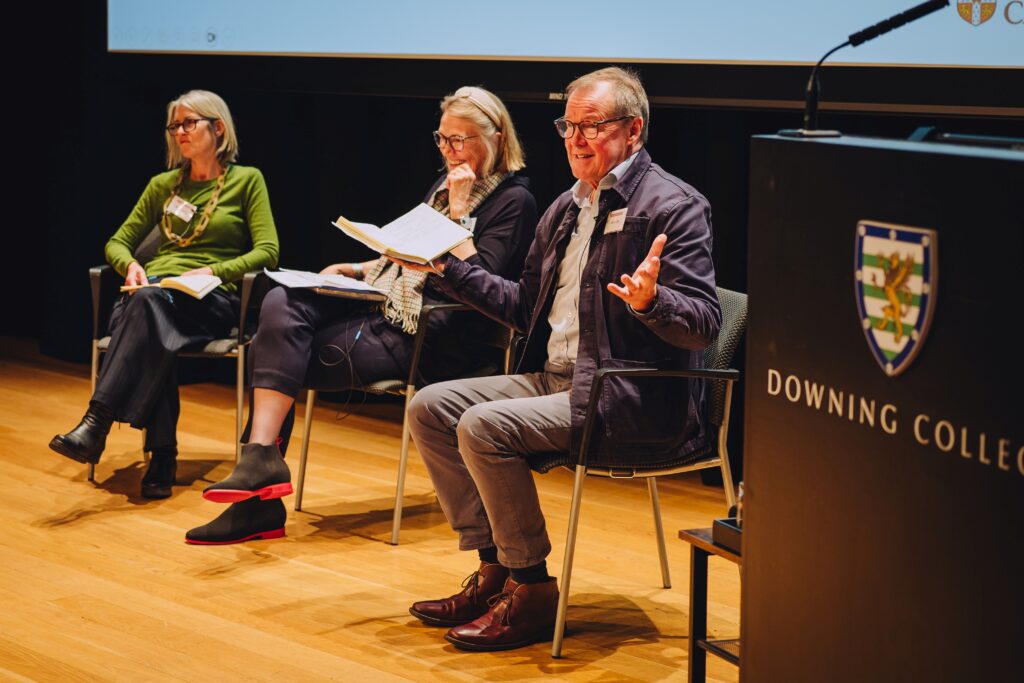
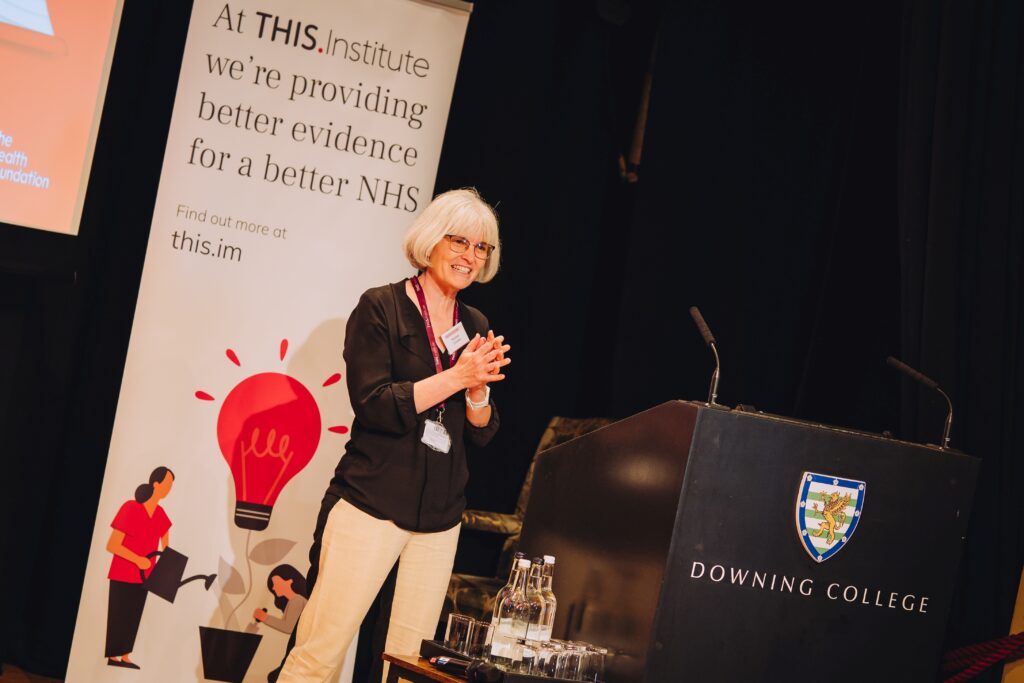
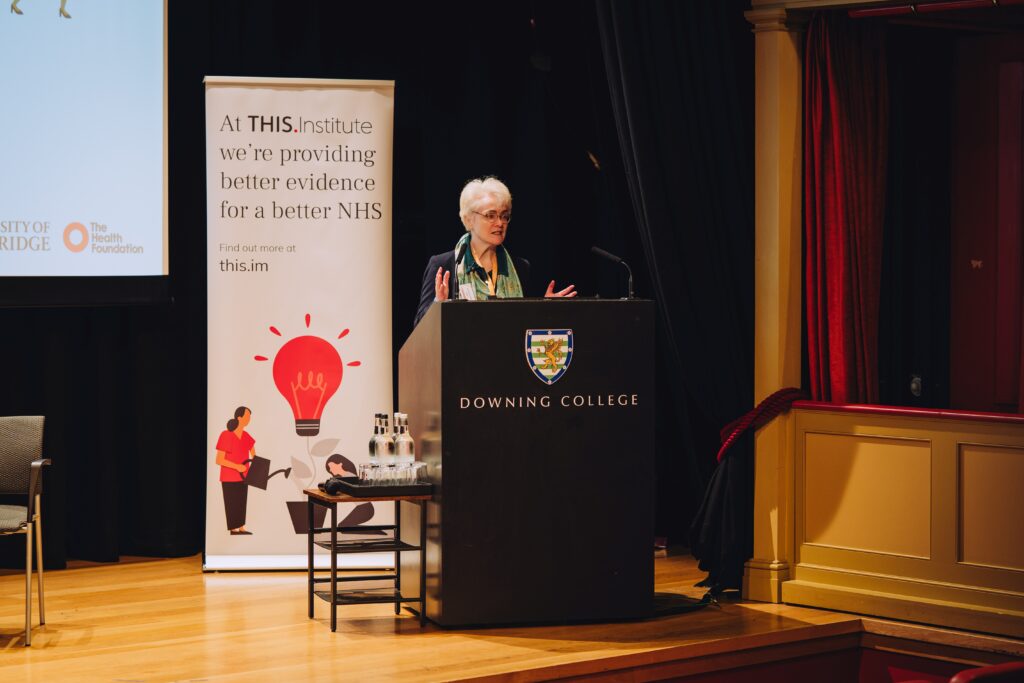
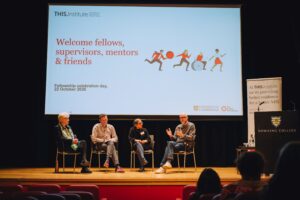
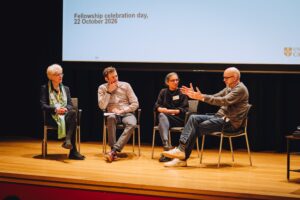
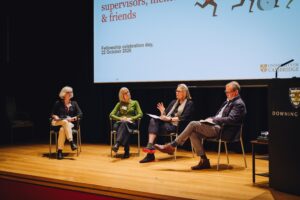
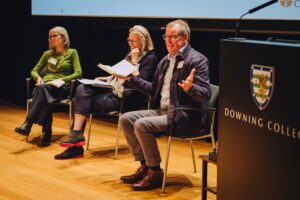
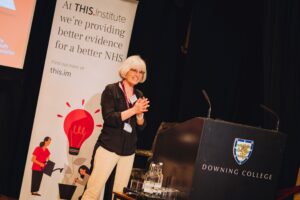
The celebrations kicked off with an insightful panel debate on the challenges, opportunities and future of healthcare improvement research. THIS Institute Director Mary Dixon-Woods outlined the ways in which fellows have strengthened the evidence base for improvement. She was joined by Professor of Geriatric and Consultant in Geriatric Medicine, Jugdeep Dhesi who discussed how research can inform better care for people with frailty – including decisions for older people to step away from high-risk surgery. The panel featured Richard Hooper, who was the first fellow to complete the programme and he talked as a statistician about the potential for pragmatic trials and other methods to rigorously assess the impact of new and complex service interventions. This kind of evidence is needed in an age of optimism about technology, where policy ambitions need to be matched with learning and evidence from research and evaluation.
Reflecting on the highlights and learning from the programme in a fireside chat
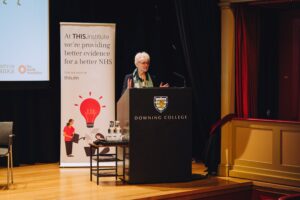
Tara Lamont was joined by Fiona Reed and Bill Lucas, who facilitated the learning and leadership component of the programme, to discuss the design and delivery of the fellowship programme, embodying principles of peer learning, support and reflection. The programme had been an investment in people and future research leaders in healthcare improvement, as much as it was in the projects and their outputs – a key goal we set out to reach at the start of the programme. Our diverse network of fellows, supervisors and mentors provided a rich foundation for improvement research work. Our speakers identified the programme’s distinctive elements, including a focus on problems requiring multidisciplinary attention in fields such as decarbonising healthcare or safety workarounds.
As a funding programme, there was flexibility to support fellows during the challenges of the pandemic. We also fostered collaborations across cohorts, which resulted in fellows from different backgrounds working together in areas like stroke care and reablement (short-term care for people who need support after leaving hospital). A notable highlight was our Listen to THIS podcast series two featuring conversations between fellows on important challenges for the NHS – from doing less and de-investing to learning from failure. For more from our fellows, see their research featured in a series of lightning talks at THIS Space from 2022 to 2026, watch them all here.
Our impact
The impact of the fellows’ projects and the programme was illustrated not just by impressive levels of grant income secured, publications and citations but also by the broad and deep connections with other researchers and service leaders.
In 2021, we recorded that fellows had produced over 50 publications, formed 35 collaborations and partnerships, and were becoming involved in a range of opportunities to share their work and further the discipline of healthcare improvement research. We proudly showcased that as of 2026, fellows had produced nearly 700 publications with over 11,000 citations – and counting, formed over 200 collaborations and networks, received 56 awards and prizes and generated a combined total of £45million in additional funding.
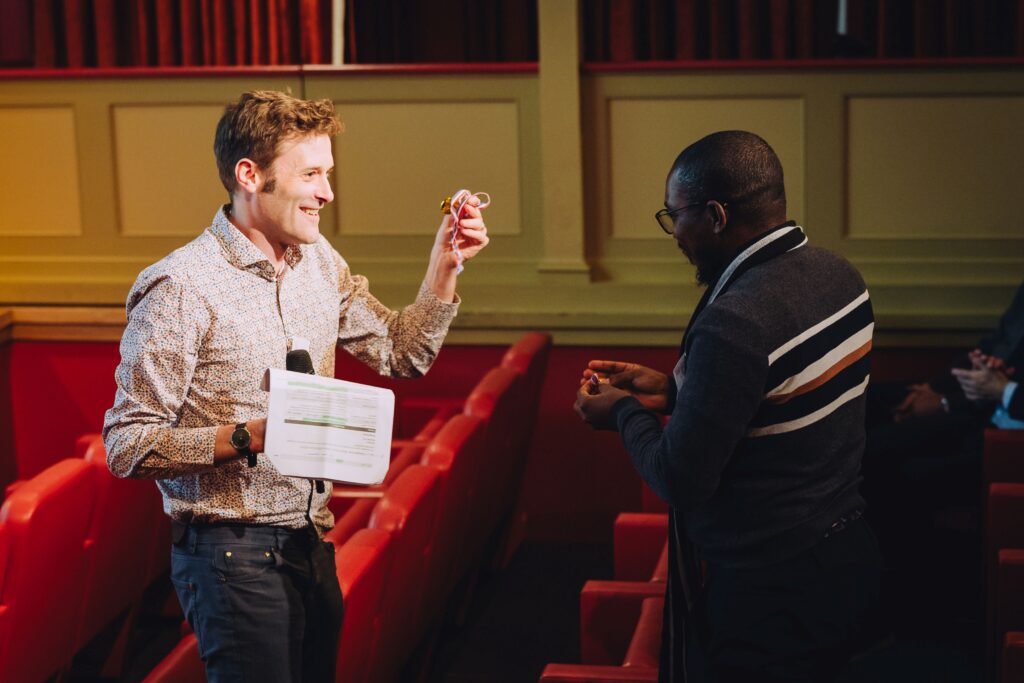
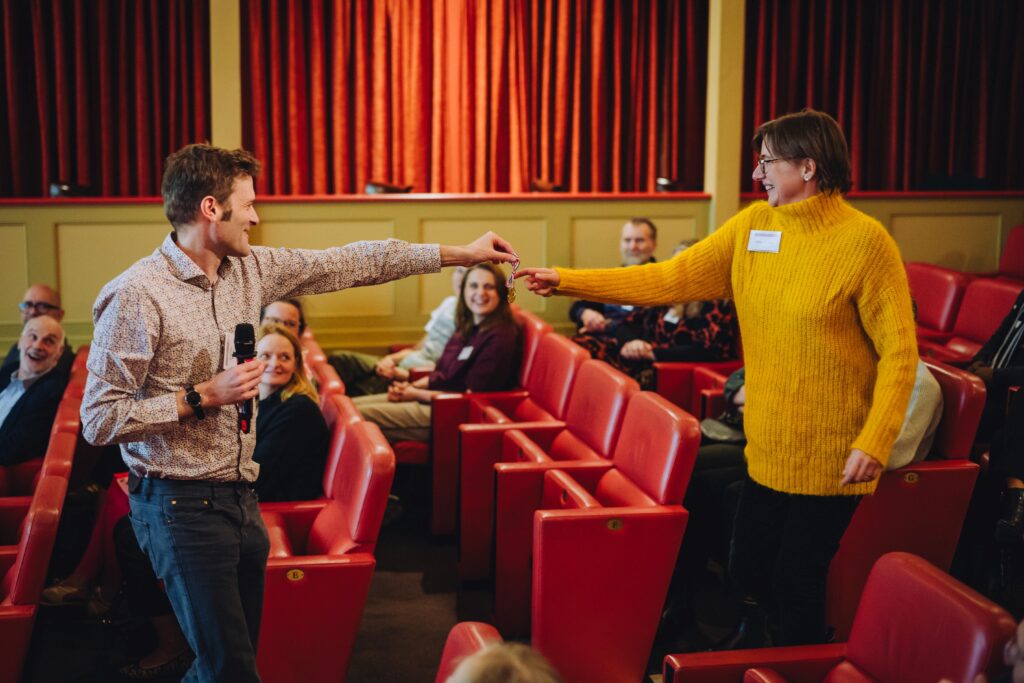
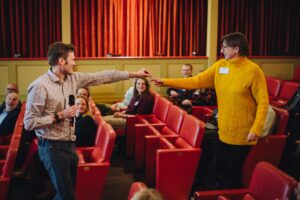
The day closed with some light-hearted awards ranging from the most glamorous locations for conferences to the most exciting fieldwork.
Looking to the future of healthcare improvement research
Ten years on, at the end of our fellowship programme, we have increased capacity and capability by building a solid foundation of healthcare improvement researchers focused on generating the evidence to reduce uncertainties, and address the pressing issues that continue to challenge the NHS.